






















grid connected commercial energy storage system
A grid-connected commercial energy storage system is a large-scale battery solution installed at commercial or industrial sites and directly integrated with the electric grid. Its primary purpose is to store electrical energy when it is inexpensive or abundant, and deliver it back to the grid or facility when demand and prices are high. This improves energy efficiency, increases grid stability, and reduces operating costs for businesses.Most commercial systems use lithium-ion battery technology due to its high energy density, fast response time, and falling costs. However, other technologies such as flow batteries, sodium-based batteries, and hybrid systems are also used in specific applications where longer lifetimes or higher tolerance to deep cycling are required. The storage system typically includes battery modules, battery management systems, power conversion systems, protection equipment, communication interfaces, and control software.The power conversion system, usually a bidirectional inverter, enables the battery to charge from the grid and discharge back to it. Advanced control algorithms manage real-time power flows based on grid conditions, energy prices, and the facility’s load profile. The system can operate in multiple modes, such as peak shaving, load shifting, backup power, and participation in ancillary service markets.One key function is peak shaving. During periods of high demand, when electricity tariffs are elevated, the system discharges stored energy to reduce the facility’s grid consumption. This can lower demand charges and smooth the load curve. During off-peak hours, when electricity is cheaper, the system charges, effectively shifting energy consumption to low-cost periods.Another important application is integrating on-site renewable generation, such as rooftop solar. By storing excess solar energy produced during the day, the system increases self-consumption rates and allows the facility to use stored renewable energy during evening or cloudy periods. This reduces reliance on the grid, enhances energy independence, and supports decarbonization goals.Grid-connected commercial storage systems also provide valuable grid services. They can offer frequency regulation by rapidly injecting or absorbing power to balance short-term fluctuations. They can support voltage stabilization, reactive power compensation, and black-start capabilities for critical infrastructure. When aggregated through a virtual power plant platform, many distributed systems can operate as a flexible, dispatchable resource for utilities and grid operators.Safety and reliability are central to system design. Fire detection and suppression systems, robust enclosures, thermal management, and comprehensive monitoring are used to mitigate risks. International and regional standards govern installation, operation, and grid interconnection, ensuring that systems perform safely and reliably throughout their service life.Economically, falling battery costs, dynamic pricing, and incentive programs are driving wider adoption. By combining cost savings, resilience, and environmental benefits, grid-connected commercial energy storage systems are becoming a key component of modern power systems and a cornerstone of the transition to a cleaner, more flexible energy future.
продукт
классификация:
-
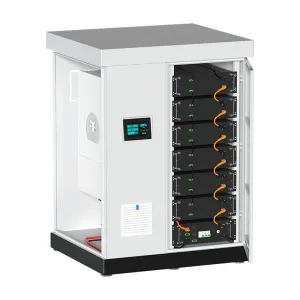
PTBP Industrial & Commercial Energy Storage System 30kW+60kWh High Voltage ESS
Их классификация: PTBP—Industrial And Commercial Energy Storageмнения: 11номер:Время выпуска: 2026-04-21 11:15:21BMS Protection
High Power
Industrial & Commercial ESS
Smart Communication
новости
классификация:
Нет результатов поиска!
случай
классификация:
Нет результатов поиска!
видео
классификация:
Нет результатов поиска!
скачать
классификация:
Нет результатов поиска!
вербовка
классификация:
Нет результатов поиска!
Рекомендуемые продукты
Нет результатов поиска!



 WhatsApp
 телефон